
Fiesta Pilipinas: Preserving Culture, Celebrating Community
The Sinulog Festival
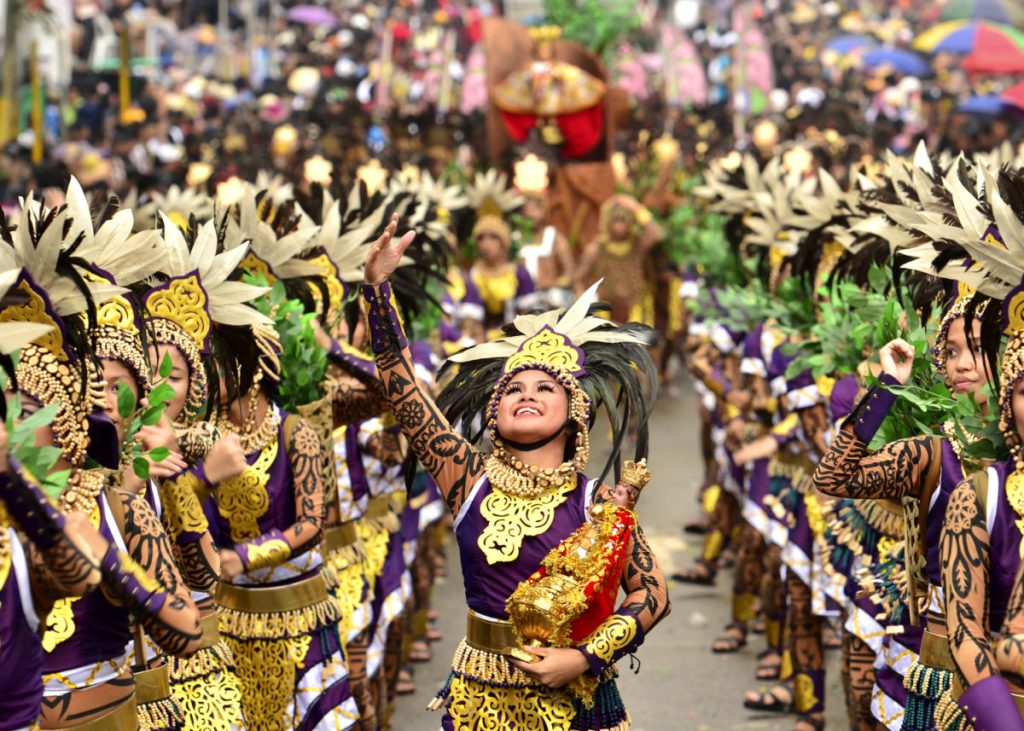
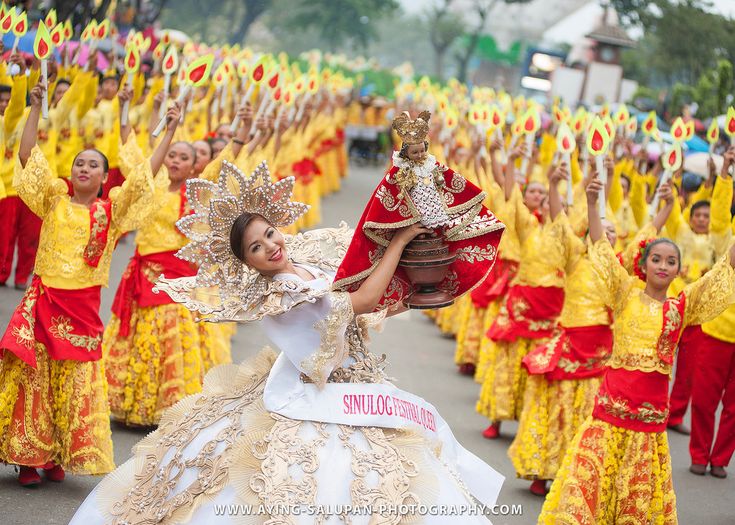
The Sinulog Festival is one of the Philippines’ most celebrated cultural and religious events, held every January in Cebu City in honor of the Santo Niño, or the Child Jesus. The name “sinulog” comes from a Cebuano word meaning “like the flow of water,” which describes the festival’s signature dance step—two steps forward and one step backward—symbolizing the journey of faith and the continuous flow of tradition through generations. This celebration blends vibrant street performances with deep spiritual devotion, making it a unique expression of Filipino culture and belief.
Rooted in history, the festival traces its origins to 1521, when Ferdinand Magellan arrived in Cebu and introduced Christianity to the island. The image of the Santo Niño was presented to Queen Juana, marking a significant moment in Philippine history. Over time, this event evolved into a grand festival that honors both religious heritage and indigenous customs. Today, colorful parades, rhythmic drumbeats, and elaborately costumed dancers fill the streets, narrating stories of faith, resilience, and cultural pride through dynamic performances and competitions.
Beyond its visual spectacle, the Sinulog Festival remains a powerful symbol of unity and devotion for the Cebuano people. Religious activities such as novena masses, candle processions, and the fluvial parade highlight the spiritual foundation of the celebration, offering moments of reflection amid the excitement. As the festival continues to attract visitors from around the world, it stands as a living testament to Cebu’s rich heritage, welcoming all to experience the joy, faith, and enduring spirit of the Sinulog.
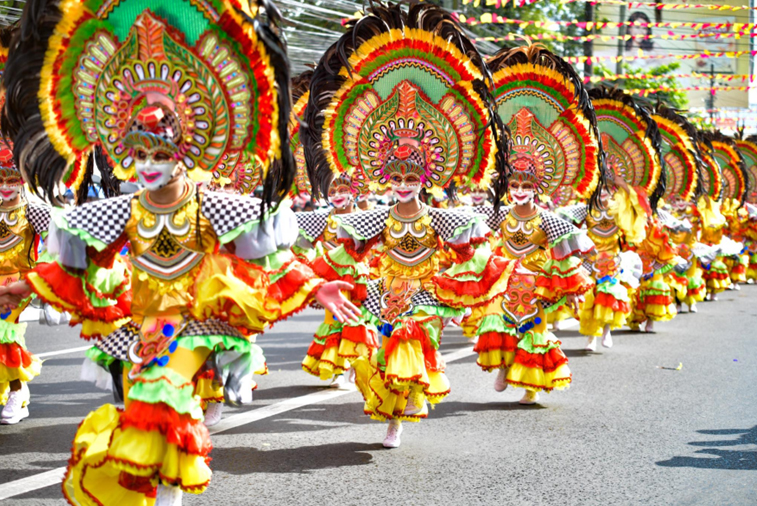
Beyond the performances, the MassKara Festival reflects the warm and welcoming spirit of the local community. Visitors are drawn not only by the spectacle of the smiling masks and lively parades, but also by the hospitality, food, and cultural pride of Bacolod City. The festival continues to stand as a symbol of unity, strength, and the enduring Filipino ability to find joy even in difficult times.
MassKara Festival: The Festival of Smiles
The MassKara Festival is a colorful and lively celebration held every October in Bacolod City, Negros Occidental. Known as the “Festival of Smiles,” it is famous for its vibrant street dances, cheerful music, and performers wearing bright, smiling masks. The name “MassKara” comes from a combination of the English word “mass” and the Spanish word “cara,” meaning face, symbolizing the many faces and emotions of the Bacolodnon people expressed through joyful masks.
The festival began in the early 1980s as a way to uplift the community during a time of economic hardship and tragedy in the province. Through music, dance, and creativity, the people of Bacolod turned challenges into a celebration of resilience and hope. Today, dance contingents perform energetic routines along the main streets, showcasing elaborate costumes and large, hand-crafted masks decorated with colorful patterns, beads, and feathers.